

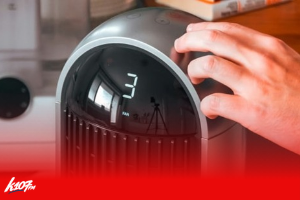
In a time of rising energy prices, portable heaters are becoming increasingly popular. With the UK weather dropping to colder temperatures, people are reaching for ways to warm themselves and their homes that don't break the bank. Here, we share some top tips on how to use portable heaters safely.
Dr. Richard Anderson, Learning Experience Director at High Speed Training said:
“Portable heaters are a brilliant way to heat specific spaces without running central heating through the entire house. However, like any appliance that generates high levels of heat, they aren't without risk. Taking just a few moments to inspect your heater and position it correctly can make all the difference in keeping your household safe.”
Inspect before you switch it on
Before plugging in any portable heating unit, carry out a thorough check for visible wear, damaged cables, or cracking. If you are using an oil-filled heater, ensure there are no signs of leaking fluid. For lithium-ion battery-powered heaters, inspect the battery pack carefully for any swelling or damage, and always confirm the product carries an official safety mark, such as CE or UKCA, before use.
Positioning and clearances
Dr Anderson continues:
“Positioning is one of the most critical factors in preventing accidental fires. Always place your heater on a hard, level, and non-flammable floor surface. Never rest a portable unit on beds, sofas, tables, or thick rugs, where it can easily tip over or suffer blocked airflow.
“Maintain a strict safety perimeter of at least three feet (one metre) between the heater and any combustible materials, including curtains, bedding, rugs, and upholstered furniture. Fan heaters and exposed-element quartz heaters can heat nearby fabrics to ignition point remarkably fast. It is equally vital never to drape wet laundry directly over a heater to dry, as this traps extreme heat inside the unit and creates an immediate fire hazard. Finally, ensure heaters are situated well away from doorways and escape routes in case of an emergency.”
Using a portable heater safely
Don’t power portable heaters with an extension cord, as these can easily overheat and become a fire hazard, always plug the heater directly into the wall.
Never leave a heater operating unattended. Always switch it off and unplug it from the wall before heading to bed or stepping out of the house. Never attempt to lift, adjust, or move a heater while it is switched on or still hot, switch it off and allow it to cool down completely first.
Dr Anderson concludes:
“Portable heaters naturally become very hot to the touch, and units with exposed elements pose an immediate contact-burn hazard. Keep children and pets closely supervised whenever a heater is running, and avoid sitting or standing directly against the heat source.
“If you use a gas heater, remember that burning bottled fuel in an enclosed living space produces carbon monoxide, a colourless, odourless, and lethal gas. Never operate gas heaters in poorly ventilated rooms, and ensure you have working carbon monoxide alarms fitted nearby. Furthermore, avoid using standard electric heaters in damp environments such as bathrooms, opting only for units specifically certified for high-moisture areas.”
 Denfield Park set for major upgrade with new 3G football pitch development
 Revamped gym to be unveiled at Kirkcaldy Leisure Centre
 Thousands supported through anti-poverty initiatives across South and West Fife
 Firefighters received more than 1,000 emergency calls on Bonfire Night
 Help for Fife residents and businesses to become more resilient to flooding